
Key Points
- Understanding Balanced Eating Patterns: Explores what balanced eating patterns really mean and their importance.
- The Role of Macronutrients: Discusses how carbs, proteins, and fats work together for optimal health.
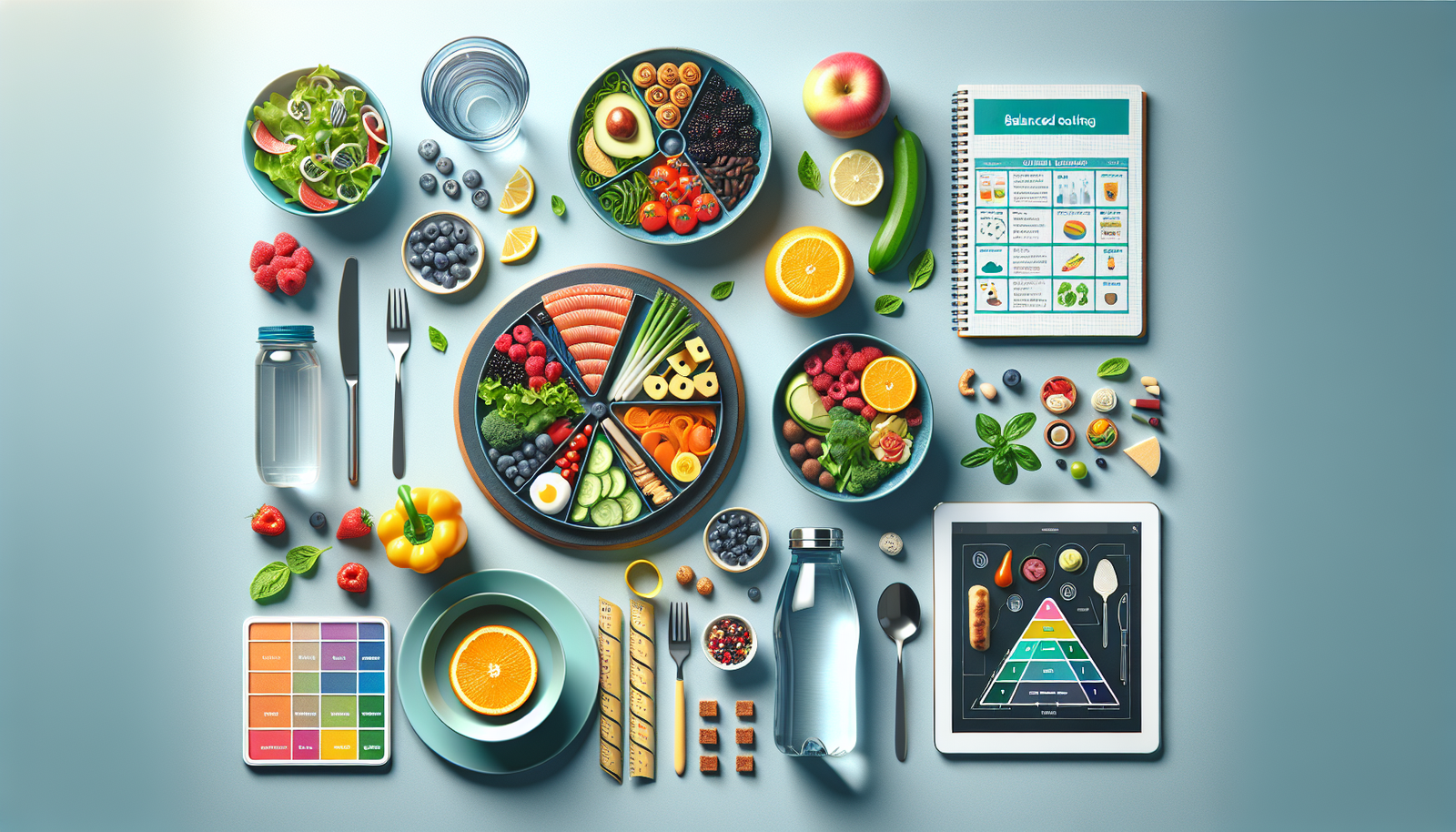
- Building Your Balanced Plate: Gives practical tips for how to construct meals that nourish and satisfy.
Understanding Balanced Eating Patterns
Let’s start by diving into what balanced eating patterns really mean. I remember when I used to think that eating healthy was all about salads and green smoothies. There’s nothing wrong with those, but it gets tricky when you think we have to live on kale alone. The truth is, balanced eating is about variety. It’s finding the right mix of foods that satisfies your hunger while providing your body with the nutrients it craves. Ever wondered why some diets feel super restrictive? That’s because they fight against the concept of balance. The body doesn’t thrive on deprivation. Instead, it functions best on a mix of foods that provide macro and micronutrients.
So, what does a balanced eating pattern encompass? It’s not just about hitting your calorie goals. Sure, those numbers matter, but it’s about getting the right percentages from each group. Researchers suggest aiming for a plate filled with 50% carbohydrates, 25% proteins, and 25% healthy fats. This won’t look the same for everyone, of course. My plate might look different than yours, depending on activity level, health goals, and even personal taste. But embracing a philosophy of balance means learning what works for you.
I’ve found that each meal can actually be an adventure. Think about your plate as a vibrant canvas. Fruits and veggies offer color, grains give you color and body, and proteins provide that satisfying fuel. Here’s the deal: eating should be enjoyable, and balance lets us indulge without guilt. You shouldn’t feel like you’re on a diet, but rather on a journey of discovery with food. Try it out. Next time you sit down to eat, ask yourself: Am I including foods from all the major groups? Am I leaning more toward what I crave while also honoring my health? Trust me; this mindset shift changed my relationship with food, and it might do the same for you.
The Psychological Aspect of Balance
Let’s be real about the emotional side of eating. Many of us have histories with food that circle around guilt and shame. Remember your last cheat day? Did it feel liberating or like a trip to the confessional? Building balanced eating patterns isn’t just about protein versus carbs; it’s about peace with food. If salad feels like punishment and cake feels like freedom, it’s time to rethink. Balancing involves learning how to love food again, and that starts in your mind.
The Role of Macronutrients
Now that we understand what balanced eating patterns are, let’s chat about macronutrients. They’re the building blocks of our diets: carbs, proteins, and fats. Each plays its role like characters in a well-written sitcom. Here’s how they work together. Carbohydrates are not the enemy, despite what you may have heard. They provide energy – yep, that’s right – carbs fuel our workouts, brainpower, and everything in between. We need ’em! But, quality matters. Instead of reaching for white bread and sugary cereals, opting for whole grains or fruits will keep you satiated longer.
Proteins are your body’s repair crew. In my experience, having a solid protein source at every meal helps stave off those annoying hunger pangs. Think of chicken, beans, tofu, or Greek yogurt. They help build muscle and keep your body functional. And then we have healthy fats – think olive oil, nuts, and avocados. These guys are the unsung heroes that keep our brains working and our skin glowing. But be warned! They’re calorie-dense, so moderation is key.
Putting this all together can feel daunting. I’ve been there! You take a look around and see all the trendy diets, and it’s easy to feel overwhelmed. One thing to understand about balanced eating patterns is that they’re flexible. Some days I’ll load up on greens, while other days I might indulge in a comforting bowl of pasta. It’s about listening to your body’s signals and responding appropriately. Ever thought of your meals as a balance sheet? Each meal’s a transaction that impacts your feelings and energy levels later on. So go ahead, enjoy a piece of pizza once in a while, but balance it out with a beautiful salad the next day. That’s how we keep this fun and sustainable.
Balancing Macronutrients in Real Life
You may wonder how to incorporate this theory into your daily life. I find that prepping meals helps simplify things. When I carve out a Sunday afternoon to chop veggies and cook grains, my week’s eating transforms. I can grab a balanced lunch on the go instead of hitting up fast food. Besides, don’t underestimate the importance of variety. Swap out quinoa for brown rice, or try different protein sources every week. Even the way you cook them can make a difference. Think baking, grilling, and steaming instead of frying. It’s tiny shifts that drive significant changes.
Building Your Balanced Plate
Okay, let’s get practical. How do you actually build a balanced plate? If you’re like me, standing in front of an open fridge without a plan can turn mealtime into chaos. Instead of using complicated calculations, think of it as creating a composition. Start with your base – a whole grain if you can. It could be brown rice, quinoa, or even a sweet potato. That’s your foundation. Next, pile on those colorful vegetables. The more colors, the better! They’re packed with vitamins and make your plate aesthetically pleasing, which is half the fun.
Then you’ve got your protein – aim for variety, remember? If you always go for chicken, branch out and try lentils or fish. And don’t forget the added fats like a drizzle of olive oil or a sprinkle of nuts or seeds for some crunch. Here’s the kicker: allowing yourself to get creative is half the joy! Right now, I’m a huge fan of making grain bowls. It’s almost like an edible mood ring, built around what I’m craving that day. Throw in some cooked spinach, chickpeas, and a hard-boiled egg, and you’re golden.
It’s crucial to sit down and actually enjoy your meal rather than just mindlessly munching. Trust me, when you take those few moments to appreciate the flavor and texture, you’re likely to feel fuller faster. Eating should be a joyful experience, not a chore. If you’re feeling run-down or bloated, maybe it’s time to assess if you’re actually building balanced eating patterns or just eating out of habit or convenience. Listen to your body, and adjust accordingly. After all, isn’t that what it’s all about?
Tips for Staying on Track
There’s no denying that life gets busy, and balancing eating patterns can sometimes fall by the wayside. We’ve all had those weeks where fast food becomes our go-to option because who’s got time to cook? That’s why I always recommend planning ahead. A little thought goes a long way. Consider batch cooking or prepping ingredients on weekends. It even helps to stock your pantry with staples like canned beans, frozen veggies, and healthy snacks for those days you just can’t. Set yourself up for success, and soon balanced eating patterns will become second nature. Trust me; you’ve totally got this.
The Long Game: Sustainability and Balance
Let’s talk about sustainability in balanced eating patterns. It’s easy to dive headfirst into a new diet, excited by the instant results, only to crash and burn within weeks. I’ve been there. The key is to adopt habits you can stick with long-term. This means recognizing that balance isn’t just an aesthetic; it’s about nourishing your body over time. Maybe you love ice cream (who doesn’t?), but if you’re looking at your health as a long game, finding the right way to incorporate treats without going overboard is essential. Consider how often you enjoy indulgences and how you feel after. Are they worth it, or do they throw you off track?
This isn’t about guilt-tripping yourself for enjoying that slice of cake; rather, how can you make those experiences mindful? Eating should be about reflecting what you love and what keeps you healthy. For instance, I’ve swapped out my regular heavy dessert for something sweeter but lighter, like a fruit salad with a scoop of yogurt. It’s still delicious, but I feel better after.
It’s a constant learning journey. Being flexible means being open to trying new recipes and swapping out old favorites for healthier options over time. Try challenging yourself to find a balanced recipe that fits your cravings. It’s okay to fall off track occasionally, but consistency is crucial. Life’s about ditching the all-or-nothing mindset. So go ahead, allow yourself those pizza nights, but make sure they’re balanced with nourishing meals the rest of the week. Looking back, I wish someone had told me earlier that this is all about enjoying the ride rather than racing to some finish line.
Setting Realistic Goals
To make balanced eating patterns sustainable, set yourself realistic goals. Everyone’s journey is personal, and what works for someone else might not suit you. Could you swap one sugary drink for water each day? Or try incorporating one more vegetable at dinner? These wins might seem small, but they accumulate over time. In a world full of quick fixes, embracing the slow, steady progress offers not just results but peace of mind.
About the Author
